

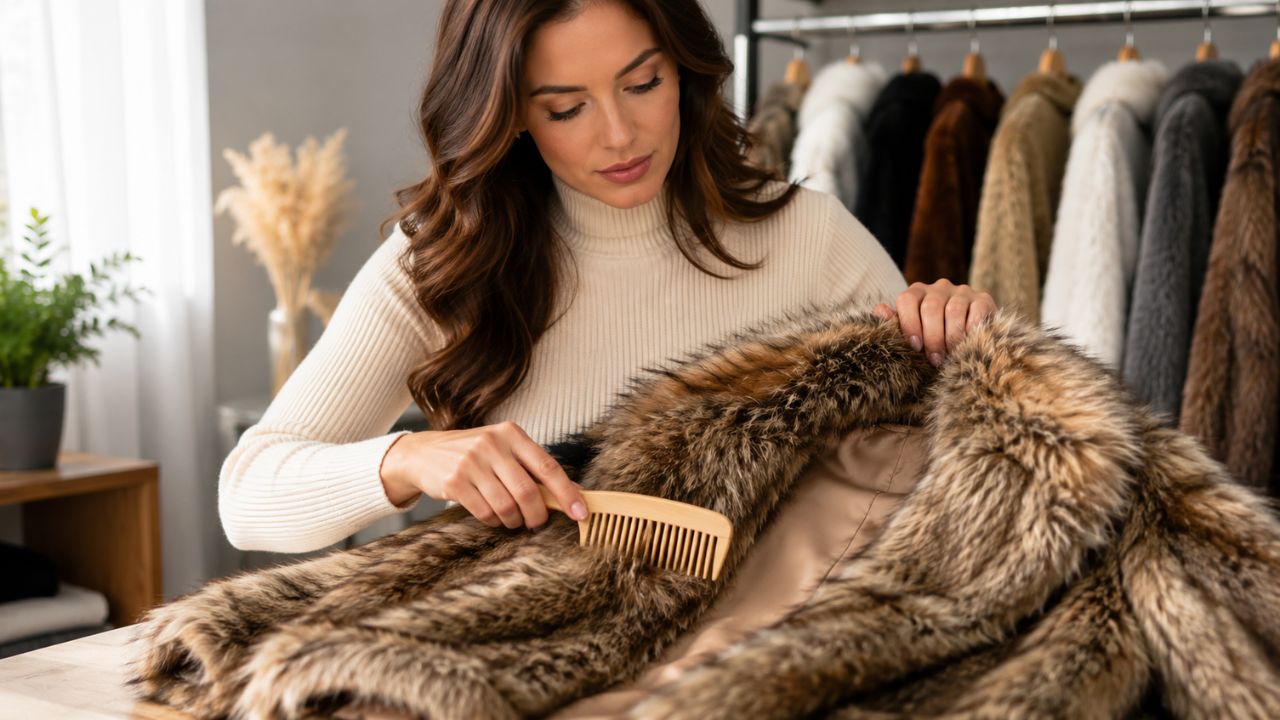
Why does faux fur get matted and how do you fix it? Faux fur usually becomes matted when its synthetic fibers are compressed, tangled, exposed to excessive friction, or damaged by heat. The good news is that many cases of flattened or tangled faux fur can be improved with gentle brushing, careful drying, and proper maintenance.
If your once-soft faux fur jacket, coat, collar, or other winter outerwear now looks flat, clumpy, tangled, or rough, don’t assume it is ruined. The first step is figuring out why the faux fur became matted. A jacket that was simply compressed in a closet can often be restored much more easily than fur that has been damaged by high heat.
This guide explains why faux fur gets matted, how to fix different levels of matting, what tools to use, what mistakes to avoid, and how to prevent the problem from happening again.
Why Does Faux Fur Get Matted and How Do You Fix It?
The most common reasons faux fur gets matted are compression, friction, moisture, improper washing, high heat, and lack of regular grooming. Fixing it usually starts with allowing the fur to become completely dry, gently separating the tangled fibers, and brushing the pile in the direction it naturally falls.
Faux fur is generally made from synthetic fibers such as polyester or acrylic attached to a backing. Because the fibers form a raised pile, they can become tangled or compressed through everyday wear and improper care.
The important distinction is this:
Flattened fur may be restorable; heat-damaged fur may not be.
If the fibers are simply pressed together, gentle grooming may bring back much of the original texture. If high heat has melted or permanently altered synthetic fibers, brushing may not completely restore them.
What Causes Faux Fur to Become Matted?
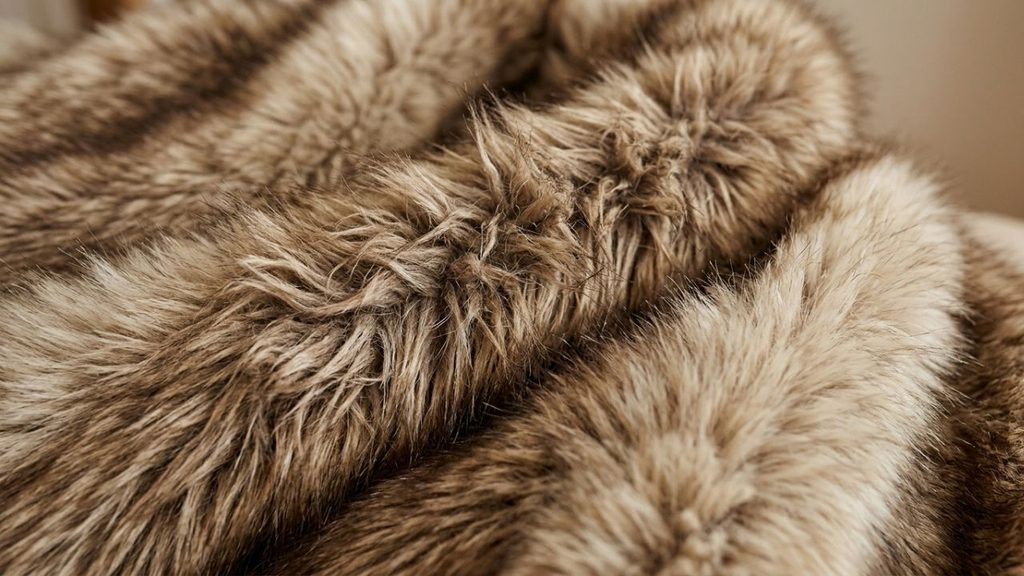
1. Compression From Storage
One of the simplest causes of matted faux fur is compression.
If a faux fur coat has been folded underneath other clothing, squeezed into a small closet, packed inside luggage, or stored under heavy items for months, the pile can become flattened.
This type of matting is often easier to correct because the fibers may still be structurally intact.
Hang the garment in a well-ventilated area, allow it to relax, and gently separate the pile with your fingers before using a suitable comb or brush.
2. Friction From Wearing the Jacket
Regular friction can also flatten faux fur.
Areas around the shoulders, underarms, elbows, seat, and collar can receive more rubbing than other parts of the garment. Crossbody bags, seat belts, backpacks, and repeated contact with furniture can compress the pile.
This is particularly noticeable on long-pile or shaggy faux fur jackets.
If you’re wondering why does faux fur get matted and how do you fix it, look at where the matting occurs. Localized flattening in high-contact areas is often a sign of mechanical compression rather than permanent damage.
3. Washing With Too Much Agitation
Washing can contribute to matting when faux fur is exposed to excessive movement or friction.
That’s why the care label matters. The Laundress recommends machine washing only faux fur specifically labeled as washable and suggests a mesh bag, delicate cycle, cold water, and low spin.
If you are planning to wash your jacket, read our related guide: Can You Wash a Faux Fur Jacket in a Washing Machine?
That article explains how to check the care label and choose a safer washing method.
4. High Heat
Heat is one of the biggest concerns with synthetic faux fur.
Hot water, heated dryers, irons, and direct heat sources can affect synthetic fibers and cause them to lose their original texture. Current faux-fur care guidance consistently recommends avoiding high heat.
This is why why does faux fur get matted and how do you fix it is not always a simple brushing problem.
If the fur has only been compressed, restoration may be possible. If the synthetic fibers have been significantly heat-damaged, the original texture may not return completely.
5. Brushing the Fur Incorrectly
Brushing can help restore faux fur, but aggressive brushing can make the situation worse.
Pulling hard, brushing rapidly, or repeatedly attacking one tangled section can loosen fibers from the backing.
The goal is to separate the fibers gradually, not force them apart.
6. Moisture and Poor Drying
Wet faux fur is more vulnerable to tangling and compression.
If a faux fur jacket is washed and then twisted, wrung, crushed, or dried incorrectly, the pile can dry in an uneven or clumped position.
After washing, gently remove excess water and follow the garment’s care instructions. Faux fur care guidance from The Laundress recommends laying the item flat in its natural shape and avoiding heated drying.
How Do You Fix Matted Faux Fur?
If you’re asking why does faux fur get matted and how do you fix it, start with the least aggressive restoration method.
You don’t need to immediately wash the garment or apply a complicated treatment.
Step 1: Let the Fur Dry Completely
Never aggressively brush heavily saturated faux fur.
If the garment is damp, allow it to dry according to its care instructions. Keep it away from direct heat.
Do not place it against a radiator or use a hot hair dryer to speed things up.
Step 2: Shake the Garment
Once dry, gently shake the jacket or coat.
This can loosen fibers that have become compressed during storage or wear.
Don’t whip or aggressively snap the garment. A gentle shake is enough.
Step 3: Separate Large Clumps With Your Fingers
Before using a brush, use your fingers to gently separate obvious clumps.
Start at the ends of the fur rather than pulling directly from the base.
This gives you more control and reduces unnecessary stress on the backing.
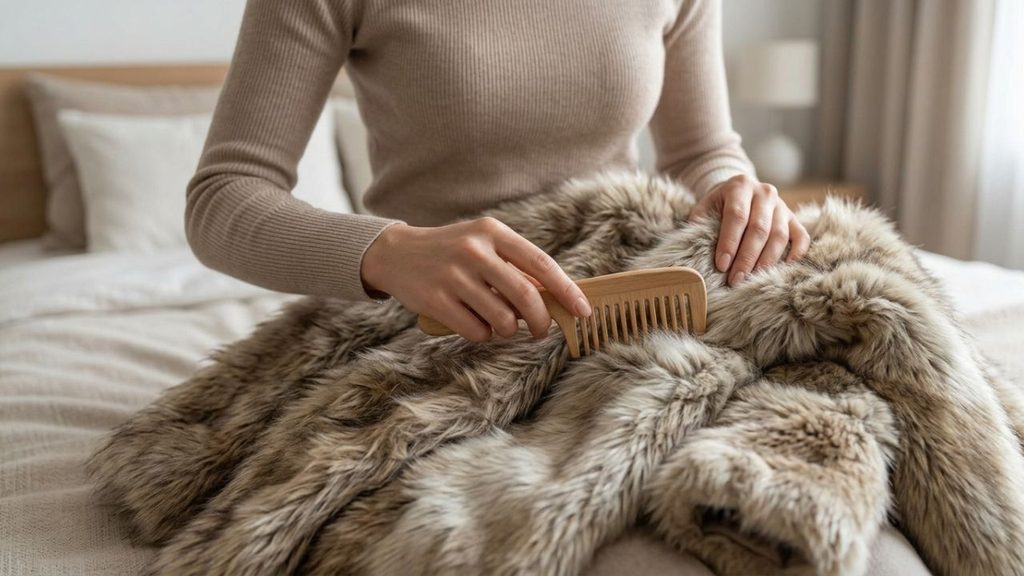
Step 4: Use a Wide-Tooth Comb
A wide-tooth comb can help separate tangled sections.
Work slowly through the fur in small areas. Start with the ends and gradually work toward the base.
Samsung’s faux-fur care guidance also recommends a wide-tooth comb for restoring faux-fur fibers after drying.
Step 5: Brush in the Direction of the Pile
Once major tangles have been loosened, gently brush the fur in the direction it naturally lies.
Use light strokes.
If you encounter resistance, stop and work through that section with your fingers or comb rather than forcing the brush through it.
Can Steam Help Matted Faux Fur?
Light steam can sometimes help relax flattened synthetic fibers, but it must be approached cautiously.
Current faux-fur care guidance from The Laundress recommends steaming as a way to refresh faux fur, while stressing careful handling.
If the garment’s care instructions permit steaming, keep the steamer away from the fur rather than pressing it directly against the pile. Use a small area first and observe how the material responds.
Never use an iron directly on faux fur.
The purpose of steam is to gently relax the fibers, not heat them aggressively.
What If Faux Fur Is Extremely Matted?
Severe matting requires more patience.
If the fur is heavily tangled but has not been exposed to damaging heat, divide the affected area into small sections.
Work from the tips toward the base with a wide-tooth comb. Once the worst tangles are separated, use a soft brush to finish the area.
If the fibers appear melted, shiny, stiff, fused together, or unusually brittle, stop brushing.
This is an important part of understanding why does faux fur get matted and how do you fix it: not every type of matting is reversible.
Mechanical tangling can sometimes be corrected. Heat damage can permanently change synthetic fibers.
Can You Fix Faux Fur After Washing It?
Yes, sometimes.
If washing has simply caused the pile to flatten or clump, allow the garment to dry completely and gently groom it afterward.
However, the washing method matters.
If you are washing a machine-washable faux fur jacket, cold water and a gentle cycle are generally safer than hot water and aggressive agitation. The garment’s care label should always take priority.
Avoid fabric softener unless the manufacturer’s instructions specifically recommend it. Some faux-fur care guidance advises against it because coatings can affect the fibers and contribute to a flattened appearance.
How to Prevent Faux Fur From Getting Matted
Understanding why does faux fur get matted and how do you fix it is useful, but prevention is even better.
Store It Without Compression
Hang faux fur coats and jackets where they have enough room.
Avoid crushing them between heavy garments.
For seasonal storage, use a breathable garment bag rather than compressing the coat into a small plastic container.
Avoid Excessive Heat
Keep faux fur away from:
- Hot dryers
- Radiators
- Space heaters
- Direct irons
- Very hot water
- Other direct heat sources
Heat can be particularly damaging to synthetic fibers.
Don’t Overwash
Faux fur doesn’t necessarily need a complete wash after every wear.
For small marks, spot cleaning may be more appropriate when the care label permits it. Vanish also recommends avoiding unnecessary full washing and using spot cleaning for minor marks.
Groom It Gently
A little regular grooming can prevent small tangles from developing into larger mats.
Use your fingers, a wide-tooth comb, or an appropriate soft brush depending on the pile.
How to Fix a Matted Faux Fur Collar
Collars can become especially matted because they experience constant contact with hair, skin, scarves, handbags, and coats.
Start by making sure the collar is completely dry.
Separate the fibers with your fingers, then gently work through them with a wide-tooth comb. Finish with a soft brush following the natural direction of the pile.
If the collar is removable, follow its specific care instructions rather than automatically washing the entire jacket.
How to Fix Matted Faux Fur After Storage

If your faux fur jacket looks flat after being stored all summer, don’t immediately wash it.
First, hang it somewhere with good airflow.
Let the fibers relax naturally. Then gently shake the garment and work through flattened sections with your fingers.
If the fur is still compressed, use a wide-tooth comb and light brushing.
This is one of the easiest situations in which why does faux fur get matted and how do you fix it has a relatively simple answer: the fibers may only need to be released from prolonged compression.
When Should You Stop Trying to Fix Matted Faux Fur?
Stop if you notice:
- Melted-looking fibers
- Hard or plastic-like texture
- Fused clumps
- Severe shedding
- Damaged backing
- Tears
- Bald patches
- Fibers pulling away from the backing
At that point, repeated brushing may create more damage.
If the garment is valuable or has complicated construction, consider asking a professional cleaner who handles synthetic fur or specialty garments.
Can Faux Fur Quality Affect Matting?
Yes, construction and pile characteristics can affect how a garment behaves during wear and care.
Long, fluffy piles can be more susceptible to tangling than shorter, denser piles. A garment’s backing, lining, construction, and finishing also influence how it responds to moisture and friction.
This doesn’t mean one faux fur type is automatically better than another. It means you should consider the garment’s intended use and care requirements before purchasing.
When shopping for faux fur outerwear, look for clear care instructions and choose a style that fits your lifestyle.
At Faux Fur World, our focus is faux fur jackets, faux fur coats, and winter outerwear designed for shoppers looking for fashionable faux-fur styles. Faux Fur World positions itself as one of the more affordable options within the premium faux fur market, giving customers another option when comparing winter outerwear.
If you’re shopping for a new piece, explore the available faux fur styles while paying attention to fit, pile, construction, and care instructions.
What About Leopard Print Faux Fur?
Leopard print faux fur coats can develop the same types of matting as other faux fur garments.
The print doesn’t change the basic care principles: avoid unnecessary friction, follow the care label, keep heat away from synthetic fur, and groom the pile gently.
If you’re looking for outfit inspiration after restoring your coat, see our related guide: How to Wear a Leopard Print Faux Fur Coat
It covers ways to style leopard print faux fur with jeans, neutral clothing, dresses, boots, and other winter wardrobe pieces.
Final Answer: Why Does Faux Fur Get Matted and How Do You Fix It?
So, why does faux fur get matted and how do you fix it? In most cases, matting happens because synthetic fibers have been compressed, tangled, rubbed, washed too aggressively, exposed to moisture, or affected by heat.
Start with the simplest solution: dry completely, loosen the fibers with your fingers, use a wide-tooth comb, and gently brush the pile back into place.
Don’t immediately reach for aggressive heat or harsh cleaning products. If the fur has been permanently damaged by high heat, repeated brushing may not restore it.
And if you’re dealing with a washable faux fur jacket, remember that prevention begins with proper washing and drying.
With the right care, many flattened faux fur pieces can regain much of their softness, volume, and visual appeal without replacing the garment.
Frequently Asked Questions
Q. Why does faux fur get matted and how do you fix it?
Faux fur gets matted mainly from compression, friction, moisture, washing, improper drying, and heat. To fix it, let the fur dry completely, gently separate clumps with your fingers, use a wide-tooth comb, and finish with a soft brush following the direction of the pile.
Q. Can matted faux fur be restored?
Often, yes, if the fibers are simply tangled or compressed. However, faux fur that has been exposed to excessive heat may have permanently altered or melted fibers that cannot be completely restored.
Q. How do you make faux fur fluffy again?
Let it dry completely, gently shake the garment, separate clumps with your fingers, and use a wide-tooth comb or suitable soft brush. Work slowly and avoid pulling the fibers aggressively.
Q. Can you wash faux fur if it is already matted?
Check the care label first. Washing isn’t always the best solution for matted fur. If the garment is only compressed, gentle brushing may be enough. If washing is allowed, use the recommended method and avoid heat.
Q. Does a dryer ruin faux fur?
High heat can damage synthetic faux fur and contribute to permanent matting. Always follow the garment’s drying instructions, and avoid heated drying unless the manufacturer specifically says it is safe.
Q. Can you brush faux fur while it is wet?
It is generally better to let the fur dry according to its care instructions before attempting thorough detangling. Wet fibers and backing can be more vulnerable to stretching and damage from aggressive brushing.
Q. Can steam fix matted faux fur?
Careful steaming may help relax flattened synthetic fibers, but it should only be done when appropriate for the garment. Keep steam at a safe distance and never press a hot iron directly onto faux fur.
Q. How do you stop faux fur from getting matted again?
Reduce compression and friction, avoid excessive washing, keep the garment away from high heat, store it without crushing the pile, and gently groom it when necessary.




[…] If the coat becomes matted, use the techniques explained in our guide: Why Does Faux Fur Get Matted and How Do You Fix It? […]
[…] If you notice significant matting, read our related guide: Why Does Faux Fur Get Matted and How Do You Fix It? […]
Comments are closed.