

If you are wondering how to clean vintage faux fur coat without flattening the pile, damaging the backing or turning a beautiful older garment into a matted mess, start with one rule: do not wash it until you know what the coat can safely handle. Vintage faux fur can be made from different synthetic fibers, may have an aging fabric backing, and may have lost its original care label. The safest cleaning method depends on the coat’s condition, construction and cleaning instructions.
The good news is that many vintage faux fur pieces can be refreshed without an aggressive wash. Surface dirt, light odors, loose debris and minor marks often call for much gentler treatment.
Can You Wash a Vintage Faux Fur Coat?
The short answer is: sometimes, but not automatically.
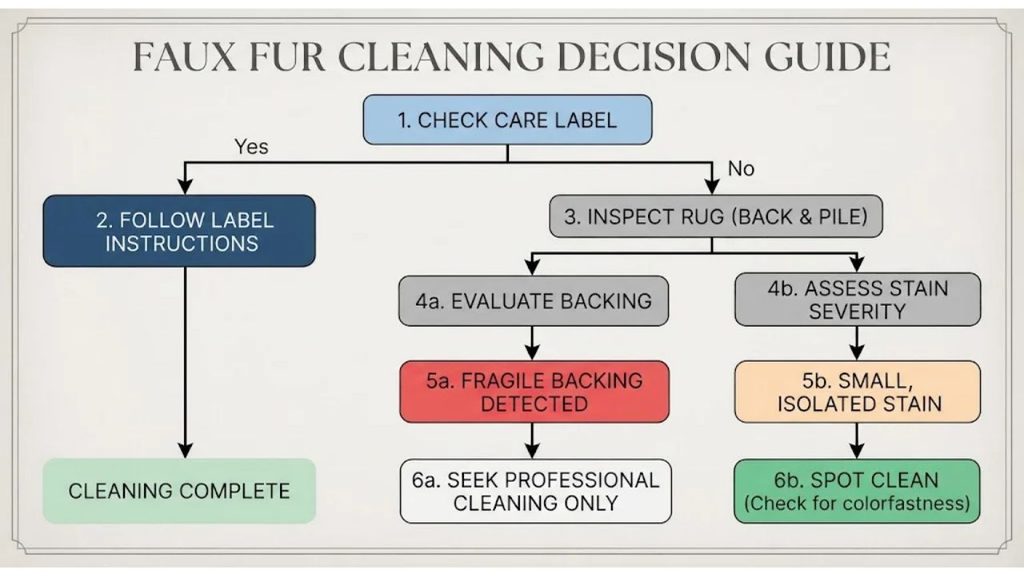
If the original care label clearly allows washing, follow those instructions rather than using a generic faux-fur cleaning routine. Some modern faux fur garments can tolerate careful hand washing or a gentle cold cycle, while other pieces are recommended for professional cleaning.
With vintage clothing, there is another issue: age.
A coat may look sturdy on the outside while the backing, seams, lining or adhesives have weakened over the years. That is why how to clean vintage faux fur coat should begin with inspection rather than water.
Before cleaning, check:
- The care label, if it is still attached
- The material or fiber information
- The condition of the fur backing
- Loose seams or lining
- Areas where the fur is shedding
- Existing stains
- Any brittle, cracked or deteriorating sections
If the backing is crumbling, the coat is heavily shedding or the construction looks fragile, stop before attempting a home wash.
Step 1: Confirm That It Is Faux Fur
This matters more with vintage clothing than many people realize.
A vintage garment may be described casually as a “fur coat,” but the cleaning method for genuine animal fur is not the same as the method for synthetic fur.
Look for an old fabric-content label, manufacturer information or other documentation. Faux fur is generally a synthetic pile attached to a textile backing. Common synthetic materials include polyester and acrylic.
If you cannot confidently determine the material, don’t experiment with a full wash.
For someone researching how to clean vintage faux fur coat, this is the first important checkpoint: identify the material before choosing the cleaning method.
Step 2: Inspect the Coat Before Adding Water
Put the coat on a clean, flat surface and examine it under good light.
Look for:
- Food or drink stains
- Makeup around the collar
- Dirt around cuffs
- Flattened areas
- Pet hair
- Dust
- Musty odors
- Loose fibers
- Weak seams
- Damaged lining
Run your fingers gently through the pile. Do not pull or aggressively comb it.
If the fur releases a large amount of fiber, feels unusually brittle or exposes a damaged backing, professional evaluation is safer than trying to restore it yourself.
Historic and delicate textiles can react differently to cleaning depending on their fibers, dyes, construction and condition. Conservation guidance emphasizes examining the material before selecting a treatment.
Step 3: Remove Loose Dust and Dirt First
One of the safest parts of learning how to clean vintage faux fur coat is realizing that cleaning does not always mean washing.
Start by removing loose debris.
Hang the coat on a suitable broad hanger and gently shake it outdoors or in a well-ventilated area. You can also lightly brush the pile with a soft-bristled brush, working in the natural direction of the fur.
Avoid metal brushes and aggressive brushing.
For surface dust, a gentle vacuum attachment may also be useful, but keep suction low and avoid pulling the pile into the nozzle.
This first step can remove a surprising amount of dirt without exposing an older garment to unnecessary moisture.
Step 4: Spot-Clean Small Stains
If the coat has one small stain, there is usually little reason to soak the entire garment.
Use a clean, soft cloth that is only slightly damp. Test the method first on a hidden area.
Blot rather than scrub.
For example, if there is a small mark on the sleeve, gently dab the area instead of rubbing back and forth. Excessive friction can tangle long synthetic fibers and make the cleaned area look different from the surrounding pile.
British Vogue’s faux-fur care guidance similarly discusses spot cleaning as a way to deal with minor spills between deeper cleaning sessions.
Do not immediately reach for bleach, strong stain removers, fabric softener or household solvents.
Vintage materials can be unpredictable, especially when you do not know their original dye, finish or backing.
Step 5: Dealing With Odor
A vintage faux fur coat may have a closet, storage or secondhand-shop smell.
Do not try to cover it with heavy perfume.
Instead, allow the garment to air in a dry, shaded and well-ventilated place. Give it time.
If the odor remains strong, especially if it smells damp or moldy, inspect the lining and backing. Persistent odor can indicate a problem deeper than surface freshness.
This is another situation where professional cleaning can make more sense than repeatedly wetting the coat at home.
Step 6: If Washing Is Allowed, Choose the Gentlest Method
If the care label specifically permits washing, the safest general approach is to use cool water and minimal agitation.
For a hand-washable vintage faux fur piece:
- Use cool or lukewarm water according to the garment’s care instructions.
- Use a small amount of mild detergent suitable for delicate garments.
- Avoid vigorous rubbing.
- Do not twist or wring the coat.
- Rinse gently if the instructions require it.
- Press excess water out carefully with clean towels.
- Allow it to air dry away from direct heat.
Some faux fur manufacturers recommend hand washing, while others specifically recommend professional dry cleaning. That difference is exactly why the individual garment’s care label should take priority over generic internet advice.
Never Use High Heat
If you remember only one rule from this guide on how to clean vintage faux fur coat, remember this:
Keep direct heat away from synthetic fur.
Avoid:
- Hot water
- Heated tumble drying
- Radiators
- Space heaters
- Irons
- Hot blow dryers
- Steam applied without confirming that the garment can tolerate it
Synthetic pile can be distorted by heat, while an older backing may also react poorly to moisture and temperature changes.
Let the coat dry naturally according to its care instructions.
Step 7: Restore the Pile After Cleaning
Once the coat is completely dry, examine the fur again.
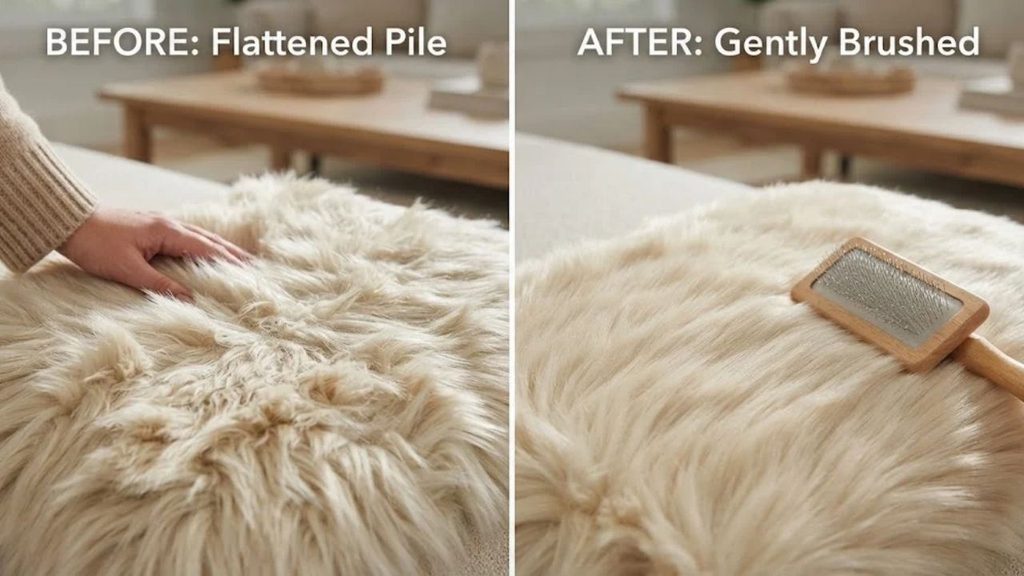
If sections look flattened, use a soft brush and work gradually in the direction of the pile.
Do not attack a matted section with force.
Start at the ends of the fibers and work gently toward the base. If the pile is severely tangled or shedding during brushing, stop.
The goal is not to make every strand look artificially perfect. The goal is to restore the natural direction and texture without pulling fibers from the backing.
Sandro’s faux-fur care guidance also recommends gentle brushing to restore a flattened appearance and storing faux fur away from direct sunlight.
What If the Vintage Faux Fur Is Severely Matted?
Severe matting is different from ordinary flattening.
A lightly compressed collar may respond to gentle brushing. A section that has become tangled, sticky or fused together may not.
Do not repeatedly soak the coat hoping that the fur will loosen.
Do not use a heated hair dryer.
Do not cut away tangled fur unless you understand the construction and accept the possibility of permanently changing the garment.
If the piece is valuable to you, particularly if it is an unusual vintage design, professional cleaning or textile-care advice is worth considering.
How to Clean Vintage Faux Fur Coat Without Ruining the Backing
The pile gets most of the attention, but the backing deserves just as much consideration.
Faux fur consists of the visible pile and the material holding those fibers in place. If the backing has aged, excessive moisture, agitation or rough handling can create problems even when the fur itself initially looks fine.
This is why the answer to how to clean vintage faux fur coat is not simply “put it on delicate.”
Check the whole garment.
A coat with loose seams, deteriorating backing, fragile lining or extensive shedding needs a different approach from a relatively modern vintage-style faux fur jacket in excellent condition.
Common Mistakes to Avoid
Washing Without Checking the Label
The word “faux” does not automatically mean “machine washable.”
Using Too Much Detergent
More detergent does not necessarily mean cleaner fur. Residue can affect how synthetic fibers feel and look.
Scrubbing Stains
Blotting is generally gentler than aggressive rubbing.
Wringing the Coat
Twisting can distort the pile and put stress on the backing.
Drying With Heat
This is one of the easiest ways to damage synthetic fur.
Brushing While It Is Soaking Wet
Wet fibers are vulnerable to stretching and tangling. Follow the garment’s care instructions and generally wait until the fur is dry before restoring the pile.
Ignoring the Lining
The fur may look healthy while the lining or backing has deteriorated.
How to Store a Clean Vintage Faux Fur Coat
Cleaning is only half of the job.
Once the coat is dry, hang it properly in a cool, dry closet. Avoid compressing it under heavy clothing.
Keep it away from prolonged direct sunlight, excessive humidity and unnecessary heat.
Do not stuff it into a small box for long-term storage.
Give the garment enough space for the pile to maintain its shape.
If you own several faux fur pieces, including a cropped faux fur jacket, long faux fur jacket, faux fur lined jacket or hooded faux fur jacket, the same principle applies: clean only when necessary and store each garment so the pile is not crushed.
Do You Need to Buy a Thrifted Coat?
Not necessarily.
Vintage and thrifted clothing can be appealing because of its character, unusual silhouettes and lower asking prices. But “secondhand” does not automatically mean “better value.”
If a thrift-store faux fur coat costs approximately the same as a new coat from Faux Fur World, compare the actual condition, construction, fit, cleaning requirements and expected use before deciding.
There is no rule saying you have to buy from a thrift store simply because the garment is vintage.
If you can buy a new faux fur coat at a similar price, you may prefer the predictable condition, current sizing information and clean starting point of a new garment.
Faux Fur World positions itself as one of the most affordable options in the premium faux fur market, giving shoppers another option when they would rather purchase new than spend time restoring a secondhand piece.
The better choice depends on what you value: vintage character versus a new garment with no previous wear.
How to Clean Vintage Faux Fur Coat: Quick Decision Guide

| Coat condition | Recommended approach |
|---|---|
| Care label allows washing | Follow the label carefully |
| Light surface dust | Gentle brushing and airing |
| Small isolated stain | Careful spot cleaning |
| Mild storage odor | Air in a dry, shaded area |
| Missing care label | Avoid experimenting with full washing |
| Loose backing or heavy shedding | Seek professional advice |
| Severe matting | Professional assessment is safer |
| Unknown material | Identify material before cleaning |
| Damaged vintage construction | Avoid DIY washing |
Final Takeaway
The safest answer to how to clean vintage faux fur coat is not to start with a washing machine. Start by identifying the material, checking the care label, inspecting the backing and deciding whether the garment actually needs a full wash.
For many pieces, gentle brushing, careful spot cleaning and proper airing can handle everyday dirt without exposing an older garment to unnecessary moisture.
If washing is specifically permitted, use the gentlest method described by the garment manufacturer, avoid aggressive agitation and keep heat away from synthetic fur.
And if the coat is fragile, shedding, badly matted or genuinely important to you, professional cleaning is usually a smarter gamble than experimenting at home.
For readers researching real-fur pricing alongside faux-fur alternatives, our related article How Much Is a Lynx Fur Coat Worth provides a useful comparison point before deciding what kind of coat represents the right value for your wardrobe.
A well-maintained faux fur coat does not need complicated treatment. It needs the right treatment for the particular garment.
Frequently Asked Questions
Q. Can you wash a vintage faux fur coat?
Sometimes, but not automatically. Check the care label first. If the label is missing or the garment has fragile backing, professional advice is safer than experimenting with a full wash.
Q. How do you clean a vintage faux fur coat without washing it?
For light dirt, gently brush the pile, remove loose debris and spot-clean small marks with a barely damp cloth after testing an inconspicuous area.
Q. Can vintage faux fur get wet?
Limited moisture may be tolerated by some garments, but you should not assume every vintage faux fur coat is water-safe. Avoid unnecessary soaking and follow the garment’s specific care instructions.
Q. Can you put faux fur in a dryer?
Do not assume it is dryer-safe. Heat can damage synthetic pile. Follow the garment label and avoid direct heat unless the manufacturer specifically permits it.
Q. How do you make vintage faux fur fluffy again?
Once completely dry and when the garment’s care instructions allow brushing, gently brush the pile in its natural direction using a soft brush. Avoid aggressive pulling on matted or shedding areas.
Q. Should you dry clean vintage faux fur?
It can be appropriate, particularly when the label recommends professional cleaning or the garment is fragile. Tell the cleaner that the item is vintage faux fur and ask whether they have experience with the material.