

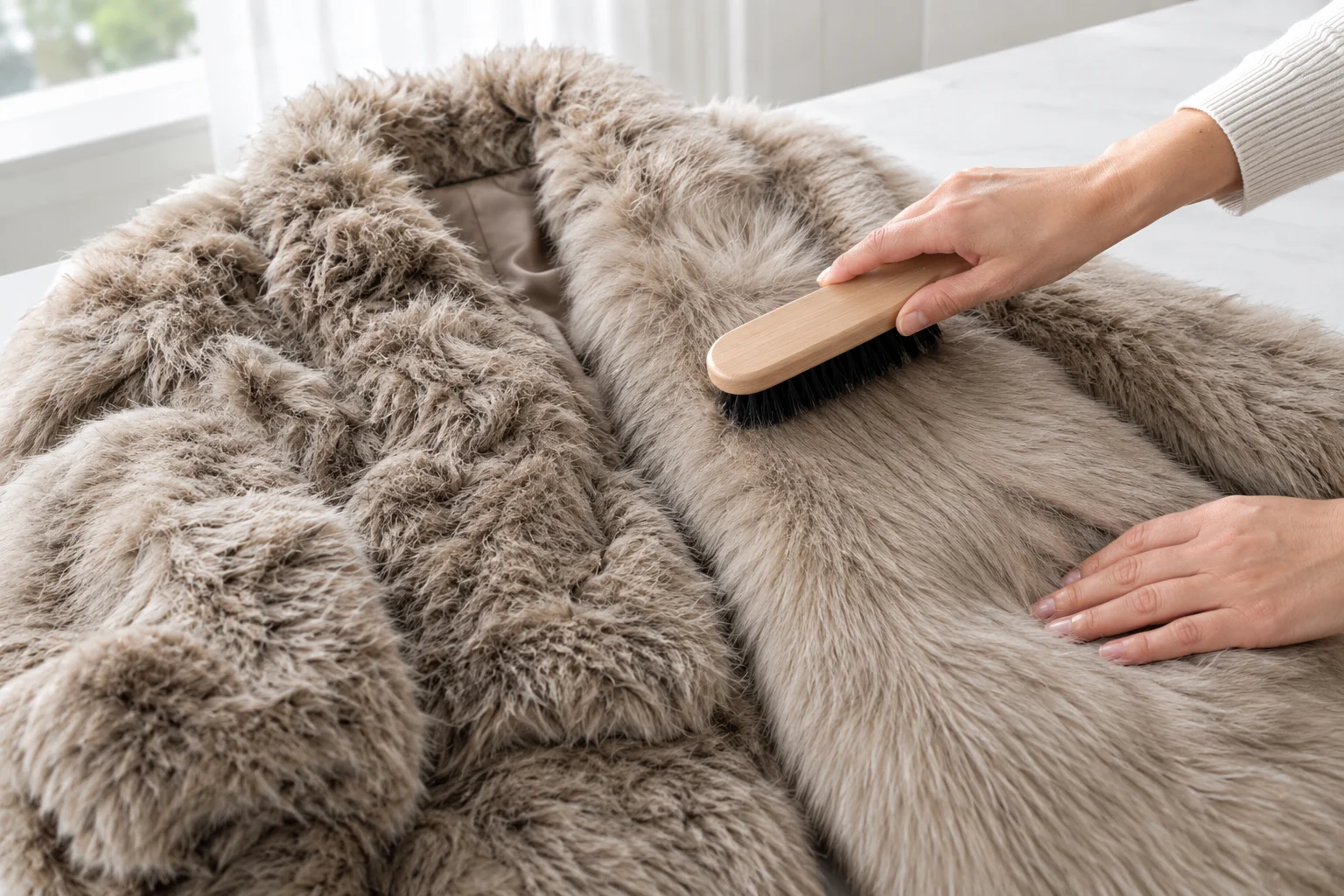
If you’ve pulled a favorite coat out of storage and it looks flat, matted, or nothing like the plush piece you bought, you’re probably asking yourself, “how do I make my faux fur coat fluffy again?” The good news is that in most cases, flattened faux fur is fixable at home with the right tools and a bit of patience. It’s rarely a sign the coat is ruined for good. It usually just needs the right combination of brushing, gentle moisture, and careful drying to bring the pile back to life.
Quick answer: How do I make my faux fur coat fluffy again? Start by brushing the fur with a wide-tooth comb or slicker brush in the direction the fibers naturally lie, then lightly steam the matted areas from a few inches away to loosen the fibers before brushing again. Avoid high heat, hot water, and direct contact with a hairdryer or iron, since those can permanently melt or glaze synthetic fibers rather than restore them. Air dry fully, then finish with a final brushing to separate and fluff the pile back into shape.
Why Faux Fur Flattens in the First Place
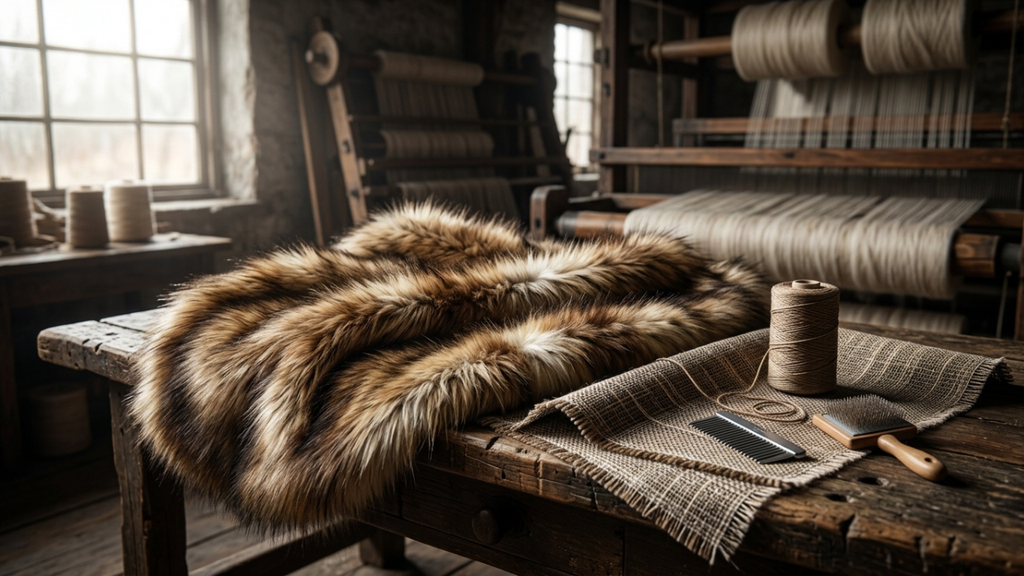
Understanding why your coat went flat helps you avoid repeating the problem once it’s restored. Faux fur pile is made of individual synthetic fibers standing upright, and several everyday things push them down over time. Sitting for long stretches, being packed tightly in storage, friction from repeated wear against a bag strap or car seat, and washing or drying with too much heat or agitation all flatten and tangle the pile. Humidity and pressure from being crushed in a closet or suitcase make it worse, which is exactly why coats often come out of seasonal storage looking their flattest.
It also helps to know that not all flattening is the same, which is part of why how do I make my faux fur coat fluffy again doesn’t have a single one-size-fits-all answer. Light, even flattening across the whole coat, the kind you get from months in a garment bag, usually responds to brushing and steam alone. Localized matting, where fibers have twisted and tangled into small knots, often around high-friction spots like cuffs, collars, or underarms, needs a more targeted detangling pass before general brushing will do much. Telling these apart before you start saves time and reduces the chance of over-brushing an area that only needed a light touch.
Step-by-Step: How Do I Make My Faux Fur Coat Fluffy Again?
Step 1: Assess the Damage Before You Start
Shake the coat out and look at it under good light. Light flattening from storage usually responds to brushing and steam alone. Heavier matting, especially clumped or tangled patches, may need a gentle detangling pass with a wide-tooth comb before brushing will do much good. Knowing which category you’re dealing with helps you pick the right starting point instead of over-handling fibers that only needed a light touch.
Step 2: Brush in the Direction of the Fur
This is the single most important step in figuring out how do I make my faux fur coat fluffy again, and it’s also the one people rush through. Use a wide-tooth comb or a pet slicker brush (the kind used for detangling long-haired dogs works well) and work in small sections, always brushing in the direction the fur naturally falls. Brushing against the grain or in random directions can pull and stress the fibers rather than separate them. For stubborn tangles, hold the base of the fur steady with one hand while you brush with the other, so you’re not pulling directly on the backing.
Step 3: Steam to Loosen Flattened Fibers
Once loose debris and light tangles are brushed out, a garment steamer helps relax fibers that brushing alone won’t fully lift. Hold the steamer head several inches away from the fabric, never touching it directly, and move it slowly across the flattened areas. As you steam, gently fluff the fur with your fingers or continue brushing so the fibers separate as they loosen rather than resettling flat. Avoid over-wetting the fur; you’re aiming for just enough steam to add slip, not a soaked garment.
Step 4: Spot Clean Before Restoring Fluff, If Needed
If the flattening came along with dirt, oils, or a musty smell from storage, clean the coat before your final fluffing pass, since fluffing dirty fur just distributes the grime more evenly. A small amount of mild detergent or fur shampoo diluted in cool water, applied with a soft cloth and light dabbing motion, handles most spot cleaning without oversaturating the backing. Always test on an inside seam first.
Step 5: Dry It the Right Way
This step decides whether your coat comes back looking restored or ends up worse than before. Hang the coat to air dry fully, ideally somewhere with good airflow, rather than reaching for a hairdryer or high dryer heat. High heat is the fastest way to permanently melt, glaze, or deform synthetic fibers, and that damage cannot be undone with more brushing afterward.
If you do use a dryer, a no-heat or air-only setting with a couple of clean tennis balls or dryer balls can help gently separate fibers, but a cool tumble should never replace a full understanding of how do I make my faux fur coat fluffy again the safe way: heat is the one variable you can’t recover from.
Step 6: Final Fluff and Touch-Up Brushing
Once the coat is completely dry, give it one more full brushing pass to separate any fibers that settled while drying. Work in the same small sections and same fiber direction as before. This final step is where the coat visibly transforms from “recovering” to actually looking fluffy again, so don’t skip it even if the coat looks mostly fine after Step 5.
Common Mistakes That Make Matting Worse
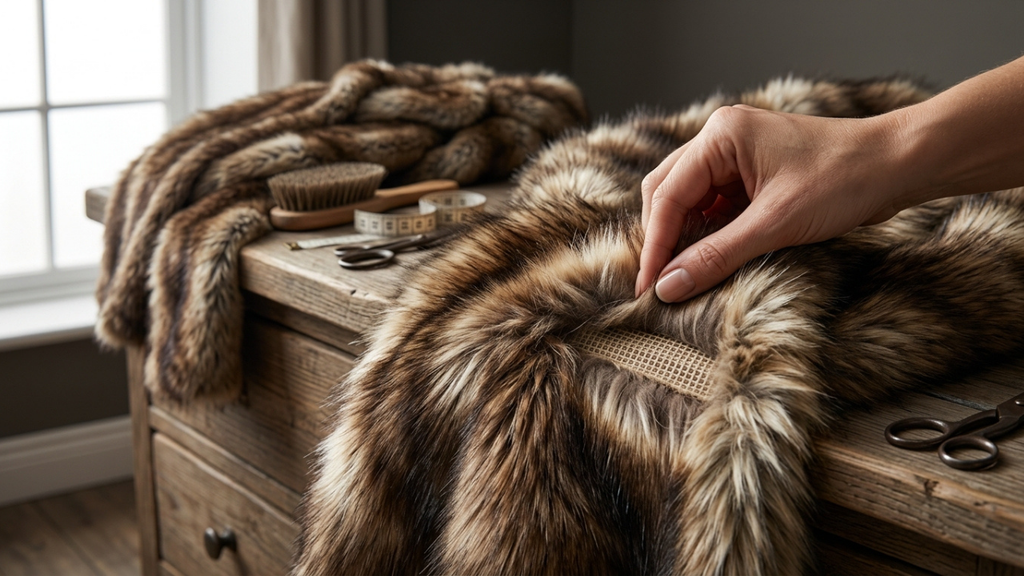
- Using a hairdryer or iron directly on the fur. Even brief direct heat can melt synthetic fibers permanently, which no amount of brushing afterward can fix.
- Brushing against the grain. This stresses and pulls the pile instead of separating it, and can actually cause more shedding over time.
- Skipping the steam step and going straight to brushing dry fibers. Dry, flattened fibers resist separating and are more likely to break under a brush than fibers that have been gently loosened with steam first.
- Washing on a warm or hot cycle. Even a “quick” warm wash can be enough to start softening and deforming acrylic or polyester fibers.
- Storing the coat compressed again right after restoring it. All that work gets partially undone if the coat goes straight back into a tightly packed bin.
- Using the wrong tool for the job. A fine-tooth comb meant for short hair can snag and pull long-pile faux fur, while a brush that’s too stiff can scratch or thin delicate patches. Matching the tool to the pile length makes the whole process faster and gentler.
When Restoring Isn’t Worth It Anymore
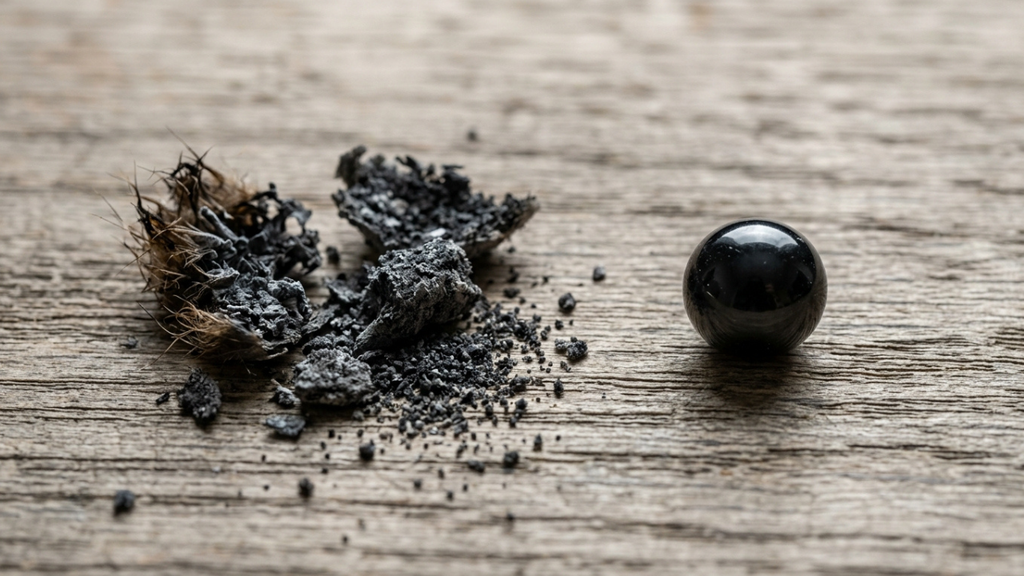
Most flattened faux fur responds well to the steps above, but a coat with a badly damaged backing, fibers that have melted or fused from previous heat exposure, or shedding that’s gotten significantly worse over multiple seasons may be past the point where brushing and steam can bring it back. In that case, it’s worth thinking about the cost of restoring versus replacing in real terms. Our guide on Is Faux Fur Expensive? breaks down what actually drives faux fur pricing, including pile density and backing construction, which can help you decide whether investing more time in an aging coat still makes sense compared to a well-built replacement.
Getting a Coat That Stays Fluffy Longer
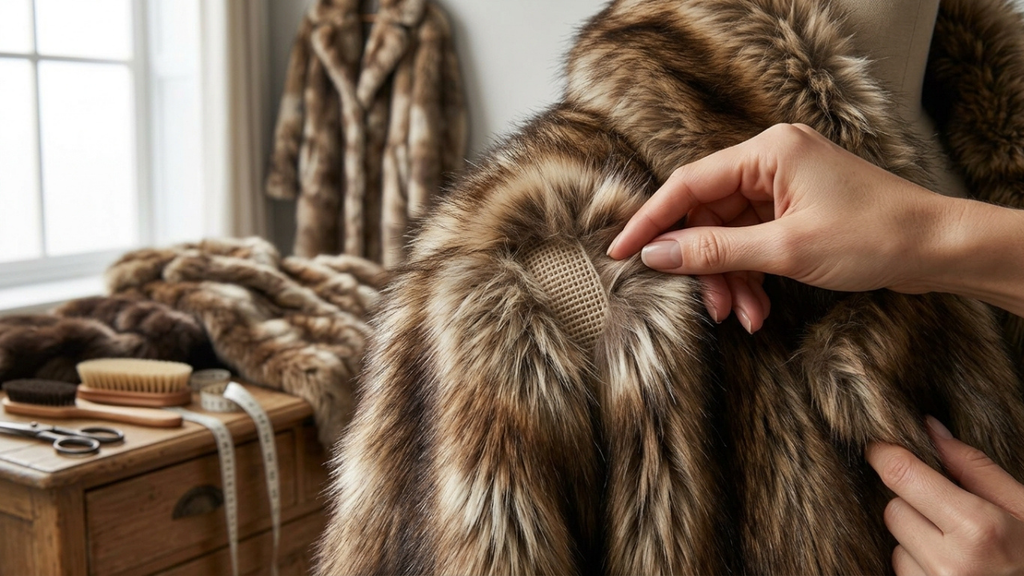
If you’re shopping for a replacement rather than restoring what you have, starting with a denser, better-constructed piece means fewer restoration projects down the road. FauxFurWorld builds our coats and jackets with dense pile and reinforced backing specifically so they hold their shape through repeated wear and storage, and we’re proud to be one of the most affordable options in the premium faux fur market, so that kind of durability doesn’t have to come with a designer price tag. You can browse our faux fur jackets to see the difference construction quality makes over time.
Preventing Matting Before It Starts
A few habits go a long way toward keeping a faux fur coat from flattening again after you’ve restored it. Store it on a wide, padded hanger rather than folded or compressed in a bin, and give it breathing room rather than packing it tightly against other garments. According to Kansas State University Extension’s laundering guide, synthetic fabrics respond differently to washing and drying than natural fibers, and following fabric-specific care rather than defaulting to a standard wash and dry cycle helps prevent avoidable damage. It’s also worth sorting laundry thoughtfully: University of Kentucky Extension’s clothing care guidance recommends washing “lint givers” like fleece or towels separately from synthetic fabrics, since abrasion from mismatched fabrics rubbing together in the wash is a common, avoidable cause of surface damage and matting.
Frequently Asked Questions
Q. How do I make my faux fur coat fluffy again if it’s badly matted?
Start with a wide-tooth comb to work through the worst tangles before switching to a slicker brush, and use steam to loosen the fibers as you go rather than brushing them dry. Heavily matted areas may need several gentle passes rather than one aggressive session.
Q. Can I put my faux fur coat in the dryer to fluff it up?
Only on a no-heat or air-only setting, ideally with a couple of clean dryer balls. Any heat setting risks melting or deforming the synthetic fibers permanently.
Q. How often should I brush a faux fur coat to keep it fluffy?
A quick brush-through every few wears, and a more thorough session before and after seasonal storage, keeps most faux fur pieces from flattening significantly in the first place.
Q. Will steaming damage my faux fur coat?
Not if you keep the steamer several inches away and avoid direct, sustained contact. Steam should add just enough moisture and warmth to loosen fibers, not soak or scorch them.
Q. Why does my faux fur coat feel stiff after I tried to fix it myself?
This usually points to too much heat, too much water, or paint or product buildup on the fibers. Going forward, use less moisture per pass and always air dry fully rather than rushing the drying step.
Q. Is it normal for faux fur to flatten every time it’s stored?
Some flattening from storage is normal and expected, but a coat with quality pile density and backing construction should respond well to brushing and steam each time, without needing more aggressive intervention season after season.
Q. Does the length of the pile change how I should approach fluffing it?
Yes. Short-pile faux fur generally needs less steam and a finer-toothed comb, since the fibers are shorter and less prone to deep matting. Long-pile or shaggy styles hold tangles more stubbornly and usually need a wider-tooth comb first, followed by more thorough brushing to work through the full depth of the pile.




[…] For more detailed maintenance guidance, you can internally link this section to [How Do I Make My Faux Fur Coat Fluffy Again?]. […]
[…] you are unsure how to restore the texture after storage or cleaning, read [How Do I Make My Faux Fur Coat Fluffy Again] for practical care […]
[…] your faux fur has become flattened after storage or wear, our article How Do I Make My Faux Fur Coat Fluffy Again provides a dedicated guide to restoring the […]
Comments are closed.