

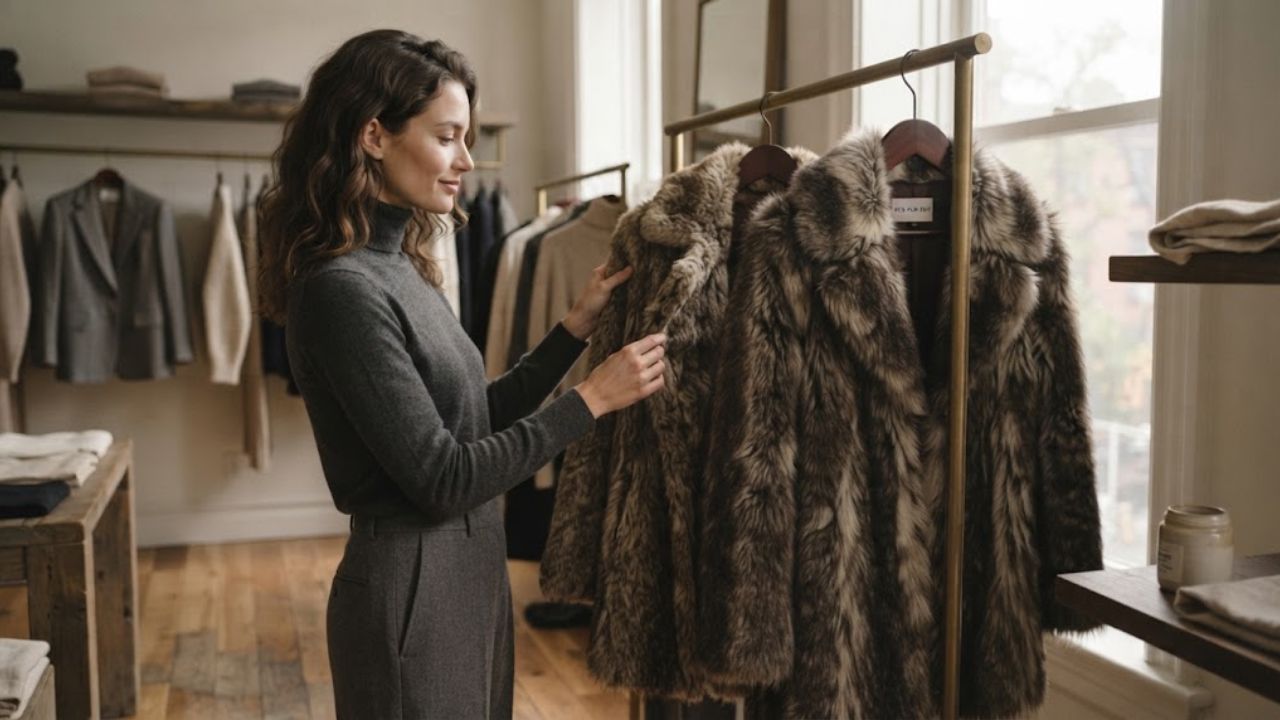
If you have ever wondered who buys fur coats, the answer depends on what you mean by “buys.” Some people are looking for a specialist who will purchase an unwanted vintage fur coat. Others are shopping for a statement winter coat and are deciding between real fur, vintage fur, and modern faux fur. There are also collectors, vintage shoppers, luxury-fashion buyers, consignment customers, and people simply looking for an affordable way to add texture and warmth to a winter wardrobe.
The important distinction is that fur coat buyers are not one single market. The person buying an inherited mink coat is looking for something very different from the shopper searching for a cropped faux fur jacket or a vegan faux fur coat.
And for many shoppers today, the question is no longer simply whether to buy fur. It is which type of outerwear makes the most sense for their wardrobe, budget, preferences, and lifestyle.
Who Buys Fur Coats Today?

The short answer is: specialist fur buyers, vintage shoppers, luxury resale customers, fashion-conscious consumers, collectors, and people looking for distinctive winter outerwear all participate in the fur-coat market.
If you are trying to sell an existing coat, specialist buyers and furriers are the most obvious starting point. Some specialist businesses purchase used fur directly, while others may offer appraisal, consignment, cleaning, storage, repair, or restyling instead.
If you are trying to purchase a coat, the market is broader. Vintage stores, resale platforms, fashion retailers, boutiques, and modern faux-fur brands all serve different types of customers.
That difference matters because “who buys fur coats” can describe two completely different journeys: selling an existing garment or buying one for yourself.
1. Specialist Fur Buyers
One of the clearest answers to who buys fur coats is a specialist fur buyer.
These businesses focus specifically on fur garments and may purchase coats directly from individuals. Their evaluation can include the type of fur, garment condition, construction, lining, age, style, size and potential resale demand.
For example, specialist buyers operating across the United States advertise nationwide purchasing programs and may begin the process by requesting photographs of the coat before determining whether they are interested.
This can be useful if you have:
- A vintage mink coat
- A fox fur coat
- An inherited fur
- A designer fur garment
- A well-preserved vintage coat
- A coat you no longer wear
However, don’t assume that every furrier automatically buys used coats. Some businesses focus on services such as repairs, cleaning, storage or alterations rather than purchasing garments.
Before taking your coat anywhere, ask a simple question: “Do you purchase used fur coats, or do you only provide fur services?”
That can save considerable time.
2. Vintage and Luxury Resale Buyers
Vintage shoppers are another important group asking who buys fur coats.
Vintage buyers are often interested in the garment itself rather than simply the raw material. A beautifully constructed vintage coat with an attractive silhouette, desirable color, good condition and wearable proportions may appeal to someone building a distinctive wardrobe.
This is particularly relevant for people who like:
- Vintage fashion
- Retro silhouettes
- Statement outerwear
- Classic winter coats
- One-of-a-kind garments
- Designer or collectible pieces
But vintage doesn’t automatically mean valuable.
A coat can be old without being desirable. Condition, styling, size, material, construction and current demand all influence whether another shopper actually wants it.
That is why an inherited coat with a high original purchase price may not necessarily command the same price years later.
3. Consignment Shops
Consignment is another answer to who buys fur coats, although the transaction works differently from a direct sale.
A consignment shop generally sells the garment on your behalf rather than immediately purchasing it from you. If it sells, the proceeds are divided according to the shop’s terms.
This can make sense when a coat has strong resale appeal but you are not in a hurry to receive payment.
The trade-off is control and time.
A consignment shop may decide:
- Whether it wants the coat
- How it should be priced
- How long it will remain listed
- Whether it needs cleaning
- What commission applies
For a seller who wants immediate cash, direct purchase may be simpler. For someone willing to wait for the right buyer, consignment may be worth considering.
4. Private Buyers and Online Shoppers
Private buyers are also part of the answer to who buys fur coats.
Online marketplaces allow individual sellers to reach shoppers who specifically search for vintage, designer, unusual or hard-to-find outerwear.
The advantage is reach. You are not limited to people walking into one local store.
The disadvantage is that the seller takes responsibility for the listing, photography, description, communication, shipping and transaction.
If you sell a coat privately, photograph it honestly. Show the front, back, lining, label, closures and any visible damage. A clear description is much more useful than simply calling something “excellent condition.”
For buyers, the same rule works in reverse: ask for photographs and garment details before committing to a purchase.
5. Fashion Shoppers Still Buy Fur-Look Outerwear
The modern answer to who buys fur coats is broader than the traditional real-fur customer.
Contemporary fashion shoppers may want the visual impact of fur without purchasing animal fur. This is one reason faux fur has become an important part of winter fashion.
Vogue’s fall/winter 2025 coverage highlighted faux fur coats and jackets as prominent seasonal fashion pieces, including cropped, printed, neutral and more dramatic silhouettes.
That gives today’s shopper considerably more choice.
Instead of searching only for a vintage mink coat, someone might search for:
- A cropped faux fur jacket
- A white faux fur jacket
- A brown faux fur jacket
- A leopard faux fur coat
- A long faux fur coat
- A plus-size faux fur coat
- A men’s faux fur coat
- A vintage-style faux fur jacket
- A vegan faux fur coat
The result is a much wider outerwear market than the traditional fur salon model.
6. Who Buys Fur Coats for Everyday Fashion?
A common misconception is that fur coats are only purchased for formal occasions.
Modern winter styling tells a different story.
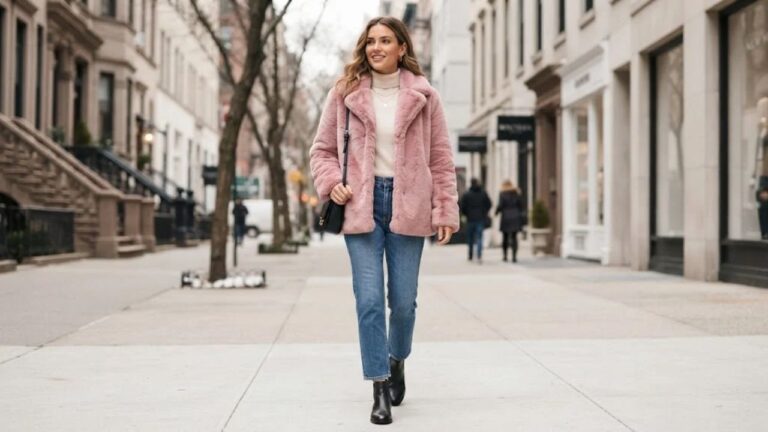
A faux fur jacket can be worn with jeans, boots and a simple sweater. A cropped silhouette can work with high-waisted trousers or wide-leg denim. A longer coat can become the dominant piece of an otherwise simple outfit.
This makes faux fur particularly relevant to shoppers who want one visually distinctive outerwear piece without building an entire outfit around it.
A shopper who normally wears neutral clothing may choose a cream, beige, brown or black faux fur coat. Someone with a more expressive wardrobe might prefer leopard print, red, pink, purple or another statement shade.
The buyer is not necessarily looking for “fur” as a status symbol. They may simply want texture, drama and winter style.
What Do Fur Coat Buyers Look For?
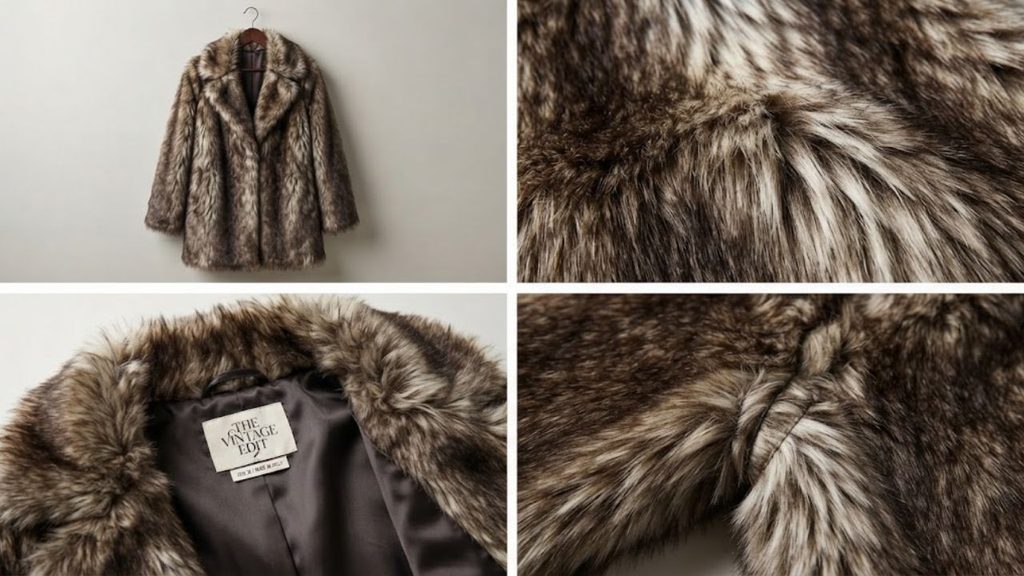
If you are selling a real or vintage fur coat, the buyer will generally need enough information to understand what they are considering.
The most useful details include:
Material
Is it real fur, faux fur, shearling, suede with fur trim or another material?
Do not guess.
If the garment is labeled, photograph the label. In the United States, the Federal Trade Commission has specific requirements concerning fur-product labeling, including information such as the animal name and country of origin for covered products.
Condition
Look closely at:
- Lining
- Seams
- Closures
- Pockets
- Sleeves
- Collar
- Fur or fabric surface
- Odor
- Visible stains
- Signs of damage
Condition can make a substantial difference to resale interest.
Style
A buyer is not only evaluating what the coat was worth when it was purchased.
They are considering whether someone wants to wear it now.
A classic silhouette may have broader appeal than a highly dated design. On the other hand, distinctive vintage pieces can attract collectors precisely because they look different from contemporary outerwear.
Size
Size matters because resale demand depends partly on whether a potential customer can actually wear the garment.
Clear measurements are especially useful when there is no reliable size label.
Who Buys Fur Coats Near Me?
If your real question is who buys fur coats near me, start by separating the businesses you find into categories.
Search for:
- Specialist fur buyers
- Furriers
- Vintage clothing stores
- Luxury consignment shops
- Estate buyers
- Online fur buyers
- Private resale marketplaces
Then ask what each business actually does.
A store that cleans fur is not necessarily a store that buys fur.
A shop that consigns clothing is not necessarily a direct buyer.
A business that appraises a garment may not purchase it.
This distinction is one of the most useful pieces of information for anyone trying to sell an old coat.
Do People Still Buy Fur Coats?
Yes, but the modern market is more complicated than the traditional fur-shopping model.
Fashion cycles continue to influence demand, while consumers also have more material choices than previous generations.
Real fur, vintage fur, faux fur and newer fur-like materials occupy different parts of the market.
For shoppers who like the look of fur but do not want animal fur, faux fur provides an accessible alternative. For shoppers interested in vintage garments, resale remains another route.
The important question is not simply whether “people still buy fur.”
It is which people, which materials, which styles and at what price?
Should You Buy a Thrifted Fur Coat?
If you find a fur coat at a thrift store, don’t make the purchase based only on appearance.
First determine what the garment is made from.
Then inspect its condition.
Check the lining, seams, closures, surface, odor and any visible deterioration. If you are unsure whether it is real fur or faux fur, don’t make an expensive assumption based on texture alone.
A thrifted coat can be interesting, but it may also come with uncertainty about its previous use, storage history, repairs and care requirements.
If you are specifically shopping for faux fur, buying new can eliminate some of that uncertainty.
For a deeper practical guide, see How to Clean a Fur Coat From Thrift Store, which can help you understand what to check and how to approach a secondhand coat before wearing it.
Do You Really Need to Buy a Thrift-Store Fur Coat?
Not necessarily.
This is where comparing the total value becomes important.
A thrift-store coat may look inexpensive at first, but you should also consider whether it needs cleaning, repairs, alterations or special care.
If you can find a new faux fur coat at a comparable price, buying new may give you a cleaner starting point and a more predictable shopping experience.
At Faux Fur World, our focus is modern faux fur outerwear at accessible prices. The brand positions itself as the most affordable in the premium faux fur market, giving shoppers another option when they want the look and feel of premium-style faux fur without automatically starting with a secondhand garment.
So before buying a thrifted coat simply because the sticker price looks low, compare the complete purchase: garment condition, cleaning requirements, potential repairs, fit and final cost.
If a new faux fur coat costs about the same after those considerations, there may be little reason to accept the uncertainty of a used garment.
Who Buys Fur Coats: The Bottom Line
So, who buys fur coats?
Specialist fur buyers purchase selected used garments. Furriers may buy some coats but often focus on services instead. Vintage stores, consignment businesses, private shoppers and resale platforms can also connect older coats with new owners.
On the fashion side, today’s market extends beyond traditional real fur. Shoppers looking for statement winter clothing increasingly have access to faux fur jackets, cropped faux fur jackets, long faux fur coats, animal-print styles, men’s faux fur coats, plus-size options and vintage-inspired designs.
If you’re selling, identify the buyer before assuming the garment has a particular value.
If you’re buying, identify the material and condition before focusing on the price.
And if your goal is simply to add a stylish fur-look winter coat to your wardrobe, compare new faux fur with secondhand options before making the decision.
Sometimes the smartest purchase is not the oldest coat on the rack. It is the one that gives you the style you want, in the condition you want, at a price that makes sense.
Frequently Asked Questions
Q. Who buys fur coats near me?
Potential buyers include specialist fur buyers, some furriers, vintage stores, consignment shops, estate buyers and private resale customers. Always confirm whether the business purchases coats outright or only provides services such as cleaning, appraisal or consignment.
Q. Do furriers buy old fur coats?
Some do, but not every furrier is a buyer. Some specialize in cleaning, repairs, storage, alterations or restyling, so confirm their purchasing policy before visiting.
Q. Are vintage fur coats still valuable?
Some may have resale interest, but age alone does not determine value. Material, condition, style, size, craftsmanship and current demand can all affect what a buyer is willing to pay.
Q. Who buys mink fur coats?
Specialist fur buyers, vintage buyers, collectors and some resale businesses may purchase mink coats. The coat’s condition, style, size and marketability can affect buyer interest.
Q. Is buying a new faux fur coat better than buying a thrifted coat?
It depends on price and condition. If a new faux fur coat is available at a comparable price, buying new can avoid uncertainty surrounding a used garment’s previous wear, storage and cleaning history.


[…] Fur World’s guide Do Guys Wear Fur Coats? explores men’s fur and faux-fur styling in greater detail, including brown coats, black […]
Comments are closed.