


Learning how to color fake fur is one of those projects that looks simple online and goes wrong fast in real life, clumped fibers, patchy color, or a coat that suddenly feels stiff and crunchy instead of soft. If you’ve got a faux fur jacket, collar, or fabric scrap you want to customize for a costume, a craft project, or just to breathe new life into an older piece, the good news is that it’s very doable once you understand what actually works on synthetic fur and what will quietly ruin it.
Quick answer: You can’t use regular fabric or fiber-reactive dye to color fake fur, because faux fur is made from acrylic, polyester, or modacrylic fibers that don’t absorb traditional dye the way cotton or wool do. Instead, how to color fake fur successfully comes down to three real options: synthetic-fiber spray dye, diluted acrylic paint applied with an airbrush or spray bottle, or fabric paint pens/pastels for smaller, detailed areas. You can only go darker, never lighter, and every method needs a swatch test first.
Why Regular Dye Doesn’t Work on Faux Fur?
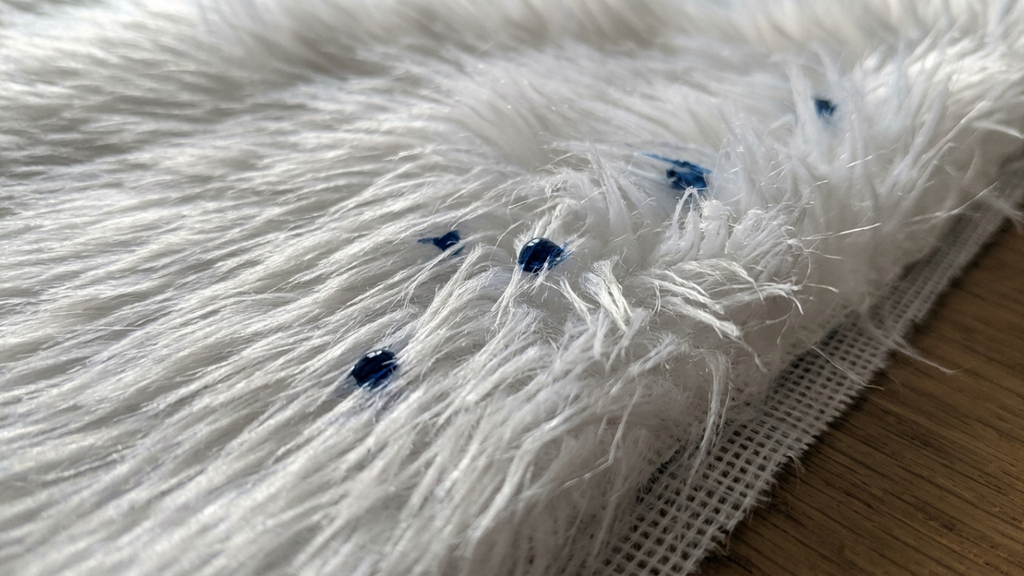
Faux fur isn’t hair, it’s plastic. Acrylic and polyester fibers are non-porous, so dyes designed to soak into natural fibers (like Rit’s regular formula, or anything meant for cotton, wool, or silk) simply sit on the surface and wash or rub right off. This is the single biggest reason DIY attempts at coloring fake fur fail: people reach for what worked on a cotton t-shirt and it does nothing to synthetic pile. If you’re figuring out how to color fake fur for the first time, understanding this one fact will save you a ruined garment and a lot of frustration.
It’s also worth confirming what you’re actually working with before you start. If you’re not sure whether a piece is synthetic in the first place, our guide on How to Tell Fake Fur From Real Fur walks through the backing, hair-tip, and burn tests that confirm it, real fur and faux fur respond to color very differently, so this step matters more than people expect.
What You’ll Need Before You Start
- A faux fur scrap or an inconspicuous section of the actual piece, for testing
- Synthetic-fiber spray dye, OR diluted acrylic paint with fabric medium, OR fabric paint pens/pastels (pick one method, see below)
- A spray bottle or airbrush (for the spray/paint methods)
- A fine-bristle brush to smooth the pile between coats
- Plastic sheeting or a drop cloth
- A well-ventilated space (ideally outdoors or near an open window)
- A fabric fixative or sealant spray (optional, for longevity)
Ventilation matters more than most DIY guides mention. Ohio State University Extension’s guidance on spray safety recommends working in open air or a ventilated space and wearing a respirator whenever you’re spraying paint or dye, since fumes build up quickly in enclosed rooms. If you’re working around kids or pets, it’s also worth checking the U.S. Consumer Product Safety Commission’s art materials guidance, which covers safety standards for craft paints and coatings.
Step-by-Step: How to Color Fake Fur
Step 1: Test on a Swatch First, Always

Never start on the actual garment. Cut a small scrap from an inside seam, or use a leftover offcut, and run your entire process on it first. This tells you how the color develops, how much product you actually need, and whether the fibers mat or stay fluffy. Skipping this step is the number one reason DIY faux fur coloring projects go wrong.
Step 2: Start With Light or White Fur
Color develops on top of the existing shade, so how to color fake fur successfully depends heavily on your starting point. White or light-colored faux fur takes new color well and gives you the truest results. Dark fur will barely show a color change at all, and there’s no safe way to lighten or bleach faux fur first, bleach breaks down the synthetic fibers and destroys the pile.
Step 3: Choose Your Method
Method 1: Synthetic-Fiber Spray Dye Spray-on dyes formulated for synthetic fibers are the most reliable option for larger, even coverage. Lay the fur flat, fur-side up, in a single layer with no folds. Hold the spray 8–12 inches away and apply light, even passes rather than one heavy coat, you can always add more color, but you can’t take it off. Let each layer dry before adding the next.
Method 2: Diluted Acrylic Paint + Fabric Medium For more control, mix acrylic paint with a fabric medium (this keeps the paint flexible instead of stiff once dry) and apply with an airbrush or a fine-mist spray bottle. This method works well for gradients, ombré effects, or subtle color shifts, and it’s the go-to for costume and cosplay faux fur.
Method 3: Fabric Paint Pens or Pastels (for Small Areas or Patterns) If you’re only coloring a trim, a small patch, or adding a pattern rather than an overall color change, water-based or acrylic paint pens and soft pastel pencils let you work directly on individual fibers. Brush the fur in the direction it naturally lies, then draw or press the color along that same direction so it sits naturally in the pile instead of against it.
Step 4: Brush and Set the Color
Once the color is applied, brush the fur gently in its natural direction to separate any fibers that started to clump. If you’re using a fixative or sealant spray, apply it now, following the product’s instructions, to help the color hold up to handling and light wear.
Step 5: Let It Cure Fully Before Wearing or Washing
Give the piece at least 24 hours to fully cure before folding, wearing, or storing it. Rushing this step is a common reason color transfers onto clothing or upholstery afterward.
Common Mistakes to Avoid
- Skipping the swatch test. This single step prevents almost every disaster.
- Using regular fiber-reactive or all-purpose dye. It won’t bond to acrylic or polyester and will wash out.
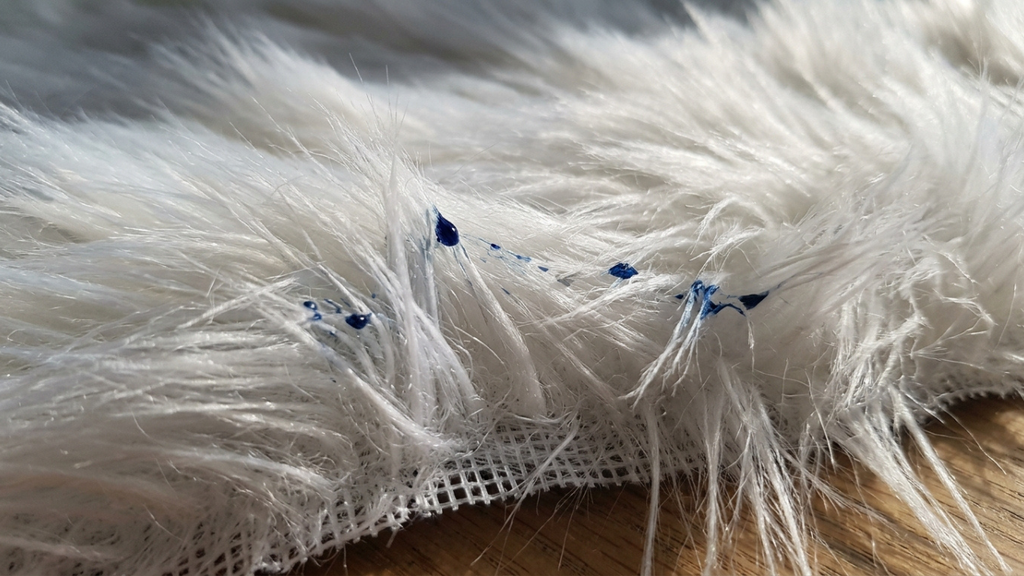
- Spraying too close or too heavily. This is what causes fur to clump, mat, or look painted-on instead of naturally colored.
- Trying to lighten dark fur with bleach. Heat and harsh chemicals melt or degrade synthetic fibers rather than lightening them safely.
- Skipping the fixative on pieces that will see regular wear. Unsealed color fades and transfers faster.
Can You Color a Faux Fur Jacket You Already Own?
Yes, with realistic expectations. Coloring fake fur works best on lighter pieces, smaller areas, or accents rather than trying to transform an entire dark coat into a completely different shade. If your goal is a specific finished color rather than a customization project, it’s often more practical and more cost-effective to shop for that shade already made. At FauxFurWorld, we carry faux fur coats and jackets across a wide color range already, and we’re proud to be one of the most affordable options in the premium faux fur market, so you don’t have to weigh the cost, time, and risk of a DIY dye project against getting the color you actually want the first time.
Frequently Asked Questions
Q. Can I use regular fabric dye to color fake fur?
No. Regular fiber-reactive or all-purpose dyes (like standard Rit dye) are made for natural fibers such as cotton and wool. Faux fur is acrylic or polyester, which won’t absorb them, the color will sit on the surface and wash out.
Q. What’s the best method for how to color fake fur evenly?
Synthetic-fiber spray dye applied in thin, even layers over a flat, single layer of fur gives the most consistent overall coverage, especially on larger pieces.
Q. Can I lighten faux fur instead of darkening it?
No. There’s no safe way to bleach or lighten synthetic fur fibers, the chemicals and heat involved damage or melt the pile. You can only add color, going from light to dark.
Q. Is it worth dyeing a faux fur coat myself, or should I just buy a new color?
For small accents, trims, or costume pieces, DIY coloring is a fun and affordable project. For a full garment where you want a specific, reliable shade, buying that color directly is usually faster and gives more predictable results.
Q. How long does color last on faux fur once applied?
It depends on the method and how much wear the piece gets. A fixative spray extends the life of the color noticeably, but even sealed DIY color will fade faster than fur that was manufactured in that shade originally.




[…] route. A faded or dated-colored coat doesn’t necessarily need replacing. Our guide on How to Color Fake Fur walks through which methods actually work on synthetic fibers, so you can refresh a piece you […]
[…] Our dedicated guide explains the options and considerations: How to Color Fake Fur […]
Comments are closed.